Tattooing is an ancient art form that has been practiced for centuries. The tools and techniques used for tattooing have evolved significantly over time. One of the most significant changes in tattooing has been the development of the tattoo machine. Let’s take a look at the evolution of tattoo machines over the years.
Early Tattoo Tools
The earliest tools used for tattooing were made from natural materials such as bones, sticks, and bamboo. These tools were manually operated and required a high level of skill to create intricate designs.
Electric Tattoo Machines
The first electric tattoo machine was invented by Samuel O’Reilly in 1891. This machine used an electric motor to drive the needles in and out of the skin. The electric tattoo machine revolutionized the tattoo industry, allowing artists to create tattoos quickly and with greater precision.
Rotary Tattoo Machines
Rotary tattoo machines were introduced in the 1970s and quickly became popular. These machines use a motor to rotate the needle, which creates a smooth and consistent line. Rotary tattoo machines are popular among artists who prefer a quieter, smoother machine.
Modern Tattoo Machines
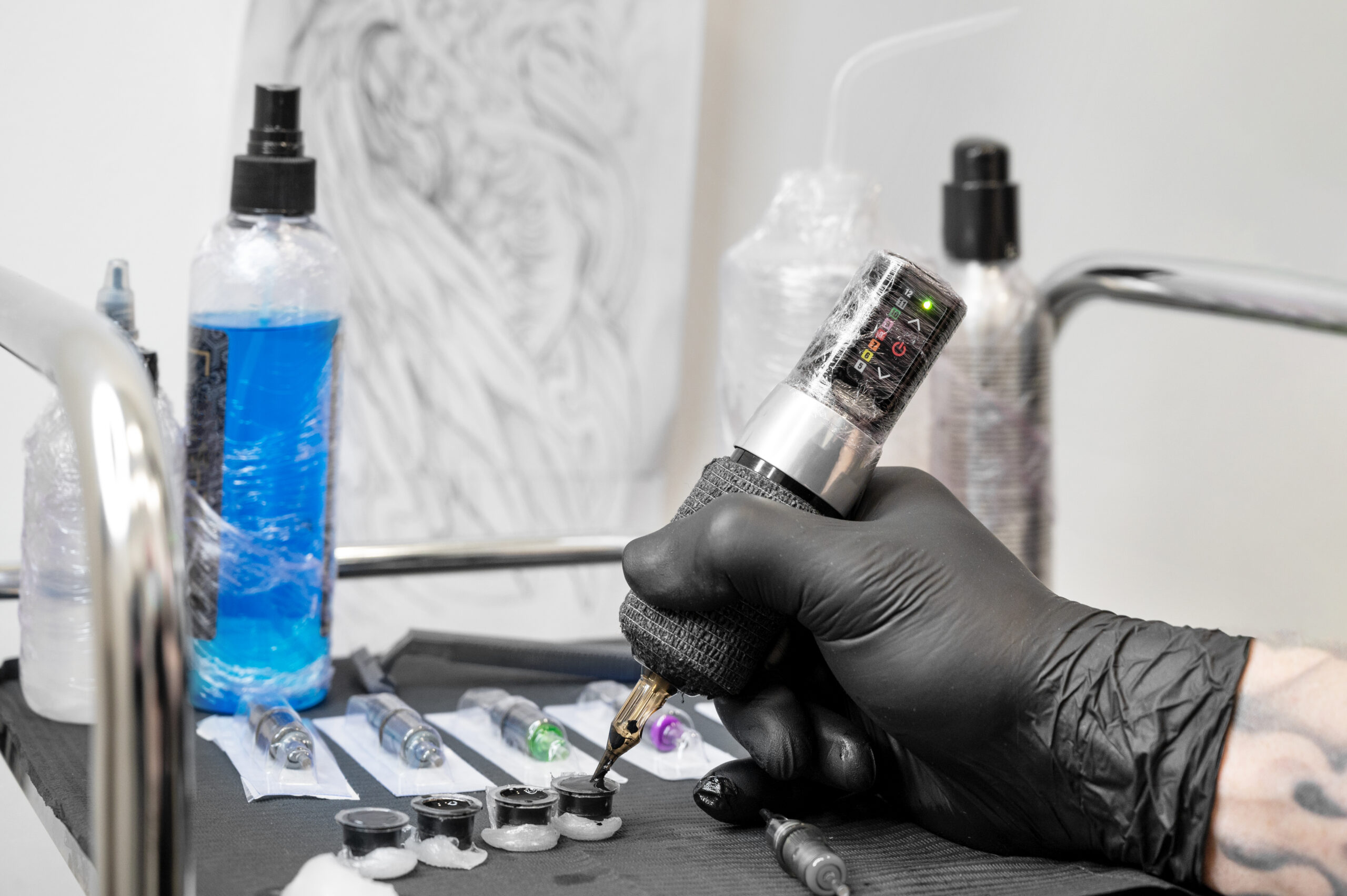
Today, tattoo machines are more advanced than ever before. Modern machines are designed for efficiency, accuracy, and safety. They are made from high-quality materials such as aircraft-grade aluminum and titanium, and they are often equipped with advanced features such as adjustable needle depth, needle stabilization, and digital controls.
The evolution of tattoo machines has played a significant role in the development of modern tattooing. From the earliest handmade tools to the modern machines of today, the tools and techniques used for tattooing have come a long way. The advances in technology have allowed artists to create tattoos that are more precise, faster, and safer than ever before.